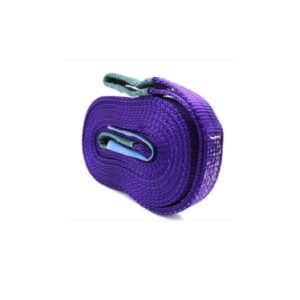
1 When selecting your slings, take into account the required working load limit, mode of use and the nature of the load to be lifted. The size, shape and weight of the load.
2 Always follow good sling practise, Plan sling lifting and lowering operation before commencing the lift.
3 A sling should always be examined for defects prior to use and to ensure that its identification and specification are correct.
4 Slings should be protected from sharp edges, friction and abrasion whether from the load or from the lifting appliance. weight of the load.
5 Slings should be placed on the load such that the load is uniform across their width.
6 Ensure the load is balanced and will not tilt or fall. Keep fingers and toes clear when tensioning slings and landing loads.
7 Ensure the load is free to be lifted and lowered by trialling it.
8 Avoid trapping the sling when lowering the load and don’t attempt to pull the sling from beneath the load when the load is resting on it.
9 Don’t drag the load in the sling or allow the sling to be dragged over ground or rough surfaces.
10 Avoid snatch or shock loading
11Remember that the maximum working load limit is dependant on the lifting angle and always refer to the load chart.
12 The polyester material used in Round and Webbing slings has selective resistance to chemicals and advice should be sought if slings will be exposed to chemicals.
13 Slings should only be used by trained operatives who understand the rating method and application of mode factors.
14 Polyester slings are suitable for use in the temperature range -40 deg. C to 100 deg. C.
15 Never overload a Lifting Sling.
16 Slings should never be knotted or twisted.
17 Never use a damaged sling
18 Never attempt to repair a damaged sling.